
High-profile professionals, government officials stranded as valid documents canceled citing mysterious “new information.”
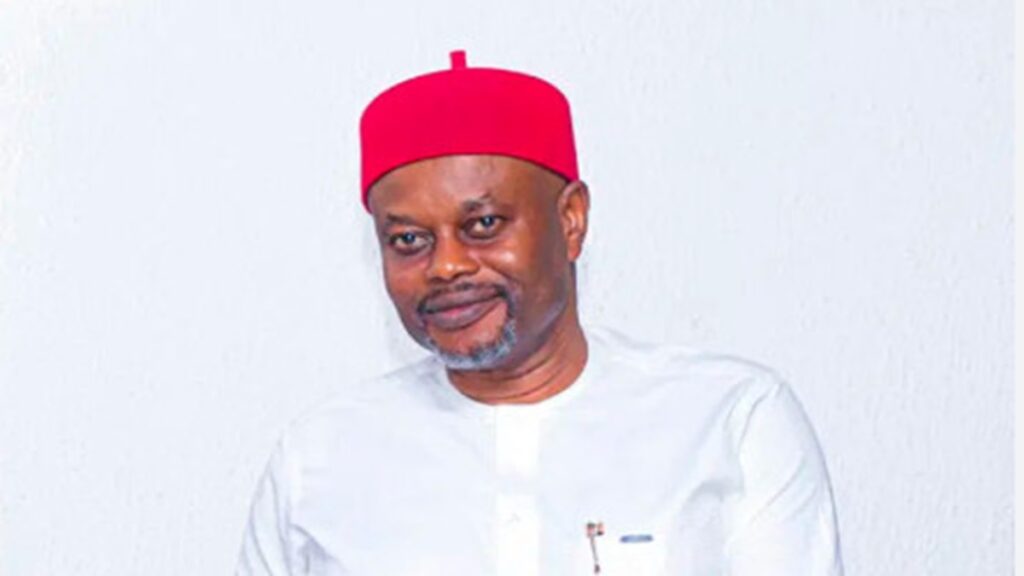
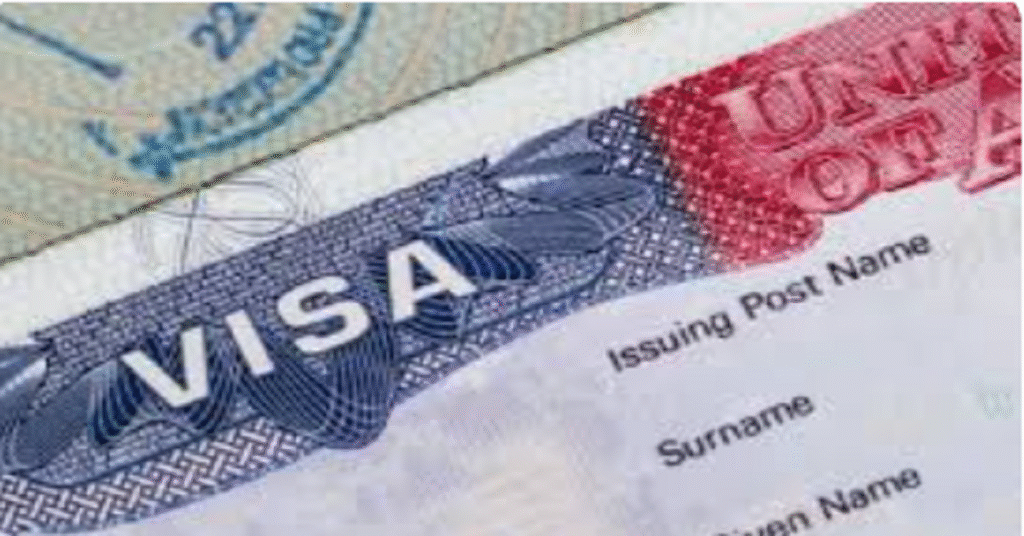
LAGOS, Nigeria – Something strange is happening at the U.S. Embassy here. Valid visas belonging to Nigerian citizens are being quietly cancelled, leaving professionals and families scrambling with disrupted travel plans. Former NNPC communications chief Olufemi Soneye brought this mess to light, exposing what appears to be widespread revocations hitting journalists, government officials, and business leaders.
Prominent Nigerians Targeted in Mass Cancellations
Soneye laid out the whole crisis in yesterday’s piece “The quiet revocation: Why is the U.S. silently cancelling Nigerians’ visas?” What his digging revealed is pretty unsettling. People have been getting official embassy letters over the past few weeks, nothing unusual there. But then they’re told to bring their passports to Lagos or Abuja consulates.
Here’s where it gets weird. Once they hand over those passports, their visas get cancelled on the spot. No explanation. The notices just cite some regulation Title 22, Code of Federal Regulations, Section 41.122, and mention vaguely that “new information became available after the visa was issued.”
The people getting hit include:
• A well-known journalist who had U.S. assignments lined up
• Some federal agency head who was supposed to give a big international speech
• An Abuja entrepreneur whose travel record is spotless
Related Posts:
• Plenty of other professionals who depend on these visas for work and family stuff
It’s hard not to wonder if this is putting a serious dent in Nigerian diplomatic relations with the U.S., especially when high-ranking officials suddenly can’t travel.
Airport Discoveries Create Embarrassing Scenes
Picture this: you’re at the departure gate, ready to board, and that’s when you find out your visa’s been canceled. That’s exactly what happened to several travelers. Some even got briefly detained by immigration officials before being sent home.
The ripple effects have been brutal. Business leaders had to cancel overseas trips, eat the cost of non-refundable tickets, and somehow explain to international partners why they couldn’t make it to crucial meetings. We’re talking thousands of dollars in losses for some people.
What makes this particularly frustrating is that everyone who got targeted seems to have clean records. No overstayed visas, no immigration violations, no red flags that anyone can point to.
Embassy Silence Sparks Policy Speculation
Neither the U.S. Embassy nor Nigerian authorities are saying anything publicly about this wave of cancellations. That silence is leaving people in limbo, no recourse, no explanation, nothing.
The lack of transparency is fueling all sorts of theories about whether this represents some kind of targeted crackdown on Nigerian travelers. Legal folks are getting worried about due process, especially since there doesn’t seem to be any way to appeal these decisions.
“The lack of specific reasons or evidence makes it nearly impossible to address whatever concerns prompted these revocations,” one Lagos-based immigration lawyer told us. They asked not to be named, which probably tells you something about how sensitive this whole situation has become.
Historical Pattern of Enhanced Scrutiny
To be fair, this isn’t entirely out of left field. Nigeria has been dealing with extra visa scrutiny for years, comes with being what they call a “high-migration country.” Previous U.S. administrations have basically told consular officers to be extra careful with certain nationalities.
What’s happening now might just be more of the same, possibly under some new directive we don’t know about. Despite all the economic ties between the two countries, Nigeria still ranks pretty high on the visa denial list.
Immigration lawyers who follow these policy shifts think the revocations could signal bigger changes in how the State Department looks at existing visas. But that’s speculation at this point.
Business and Educational Impact Grows
“The fallout is spreading beyond inconvenience: with U.S. visa waits in Nigeria now ~9–12 months (Abuja 363 days; Lagos 279 days), Nigerian-American business trips risk disruption, and educational exchanges look shaky impacting the 20,029 Nigerian students in the U.S. in 2023/24.”
Medical tourism might be another casualty if this pattern keeps up. U.S. healthcare providers actually depend quite a bit on Nigerian patients who come for specialized treatment.
Diplomatic watchers are concerned that this communication breakdown could mess with bilateral relations at a time when both countries are trying to strengthen economic cooperation and security partnerships in West Africa.
Limited Legal Options for Affected Citizens
Immigration attorneys are telling clients to document everything and get legal help, but honestly, the options look pretty limited. Consular officers have broad discretionary powers that make legal challenges tough.
The regulation they’re citing doesn’t give much to work with for appeals. People who got hit might have to start over with new visa applications, and that’s a process that can take months with no guarantee you’ll get approved.
Some legal experts are floating the idea of coordinated advocacy to pressure both governments for more transparency and some kind of due process. Whether that goes anywhere remains to be seen.