
Special committee reveals sophisticated biometric manipulation and digital identity fraud schemes targeting Nigeria’s university entrance exam.
ABUJA, Nigeria – The Joint Admissions and Matriculation Board has uncovered more than 6,000 cases of technology-enabled examination malpractice in the 2025 Unified Tertiary Matriculation Examination. Fraudsters appear to be using artificial intelligence and biometric manipulation to cheat the system in ways that would have seemed like science fiction just a few years ago. When the Special Committee on Examination Infractions presented its findings in Abuja on Monday, the scale of digital fraud was frankly staggering.
How Fraud Schemes Are Targeting the UTME System
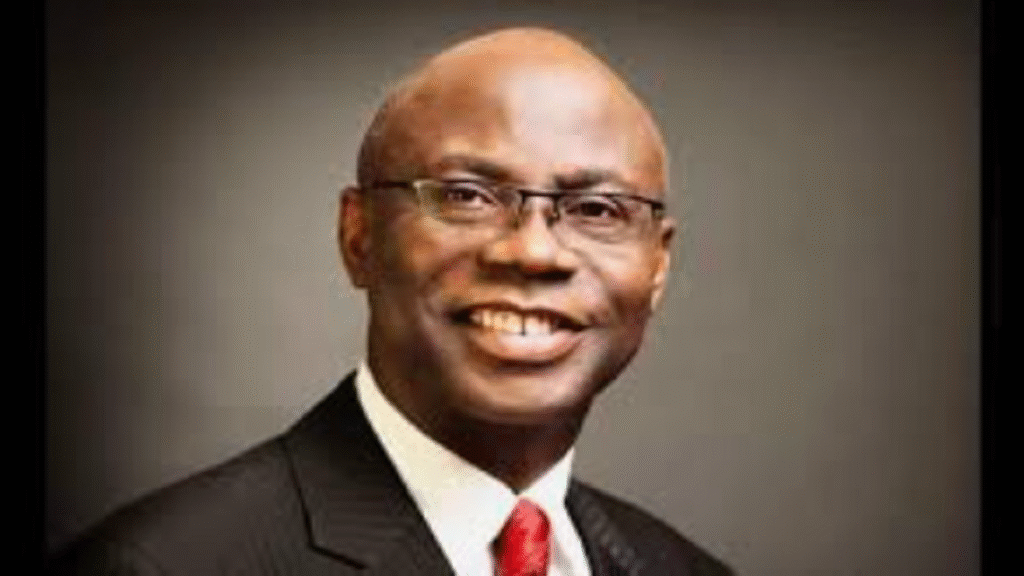
Dr. Jake Epelle, who chairs the special committee, didn’t mince words when he described how examination malpractice has transformed. It’s become “a highly organised, technology-driven, and culturally normalised enterprise” that involves multiple players across Nigeria’s education sector. That last part, the cultural normalization, may be the most troubling aspect of all.
What the committee found suggests a significant leap from the old-school cheating methods we’re used to hearing about. The most eyebrow-raising discovery? Nearly 1,900 candidates falsely claimed to be albinos, apparently trying to exploit weaknesses in biometric verification systems. Meanwhile, AI-powered image manipulation tools seem to be spreading like wildfire among would-be cheaters.
“We documented 4,251 cases of ‘finger blending’, 190 cases of AI-assisted image morphing, 1,878 false declarations of albinism, and numerous cases of credential forgery, multiple NIN registrations, and solicitation schemes,” Epelle explained during the report presentation. The numbers alone tell a story, but the creativity behind these schemes is almost impressive, if it weren’t so concerning.
Criminal Networks Are Running the Show
Here’s where things get really unsettling. JAMB examination fraud isn’t just desperate students trying to game the system anymore. The investigation suggests we’re looking at organized criminal networks that include Computer-Based Test centres, schools, parents, tutorial operators, and tech-savvy accomplices who know their way around biometric systems.
Think about that for a moment. Parents are involved. Schools are involved. This isn’t some underground operation, it appears to have tentacles reaching into the very institutions meant to uphold educational integrity.
Related Posts:
The committee found multiple cases of fake National Identification Numbers, systematic credential forgery, and what can only be described as fraud syndicates exploiting vulnerabilities in Nigeria’s digital identity infrastructure. We’ve moved from opportunistic cheating to what looks like systematic criminal enterprise. The scale of biometric fraud particularly worried investigators, and rightfully so, these systems aren’t just used for exams. They’re tied to national security and financial services too.
Nigeria’s Laws Weren’t Built for This
Perhaps the most frustrating part of the committee’s findings is how our legal framework seems woefully unprepared for this digital age fraud. Current laws were written with traditional cheating in mind, think hidden notes and whispered answers. They simply don’t have provisions for biometric fraud, AI-assisted manipulation, or digital identity crimes.
“Existing legal frameworks remain inadequate to address the growing threat of biometric and digital fraud,” the report emphasized. Without immediate action, public trust in the examination system could face serious erosion. And honestly, who could blame people for losing faith?
Prosecutors have been struggling with technology-enabled fraud cases because outdated legislation doesn’t recognize these sophisticated digital manipulation techniques as distinct criminal offenses. It’s like trying to prosecute cybercrime with laws written for pickpocketing.
What the Committee Wants Done About It
The special committee’s response strategy is ambitious, though whether it’s realistic remains to be seen. They’re calling for a multi-layered approach that combines technological upgrades, legal reforms, and institutional changes to combat UTME examination malpractice.
On the tech side, they want AI-powered biometric anomaly detection systems, dual verification protocols, real-time monitoring, and a National Examination Security Operations Centre. It sounds impressive, but implementing all of this across Nigeria’s education sector? That’s going to take serious resources and coordination.
They’re also pushing for immediate sanctions against confirmed fraudulent candidates, result cancellation, 1-3 year examination bans, prosecution of both candidates and their collaborators. A proposed Central Sanctions Registry would make fraud records accessible to universities and employers nationwide. The idea makes sense, though privacy advocates might have concerns about how such a registry would be managed.
Administrative changes include strengthening mobile-first self-service platforms, digitizing correction workflows, tightening disability verification procedures, and banning bulk school-led registrations that seem to facilitate organized fraud schemes.
Updating Laws for Modern Fraud
The committee wants comprehensive amendments to both the JAMB Act and the Examination Malpractice Act. The proposed changes would explicitly recognize biometric and digital fraud as distinct offenses and establish a dedicated Legal Unit within JAMB to handle complex technology-related cases.
These legal reforms aim to give prosecutors clear authority to pursue cases involving AI manipulation, biometric spoofing, and digital identity fraud. It’s a necessary step, though one has to wonder how quickly Nigeria’s legislative process can adapt to keep pace with rapidly evolving fraud techniques.
JAMB set up the Special Committee on Examination Infractions back in August 2024, tasking them with investigating and recommending measures for curbing technologically enabled examination malpractice. What they’ve produced appears to be the most comprehensive analysis of digital fraud in Nigeria’s education sector to date.
The findings highlight an uncomfortable truth: Nigeria’s examination bodies need to adapt their security measures to match increasingly sophisticated fraud techniques. Traditional oversight methods simply aren’t cutting it against AI-powered deception and organized criminal networks. Whether the recommended solutions can be implemented effectively, and quickly enough to stay ahead of the fraudsters, remains an open question.