
Renowned Nigerian author calls Trump “White Idi Amin,” refuses September 11 visa reinterview citing safety concerns and inappropriate timing.
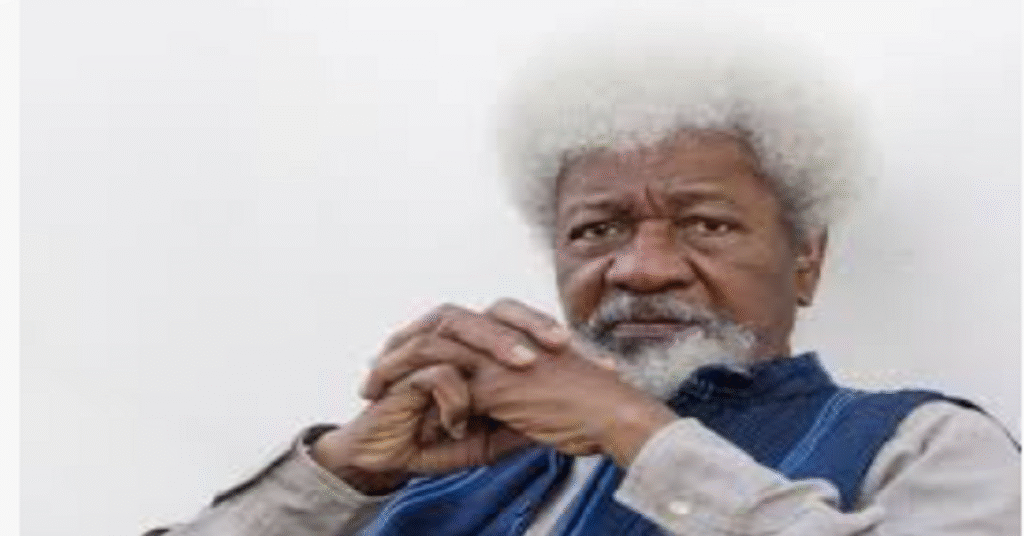
LAGOS, Nigeria – Nobel Prize-winning author Professor Wole Soyinka has publicly rejected a U.S. Consulate visa reinterview invitation, condemning President Donald Trump’s administration and refusing to participate in what he considers unsafe diplomatic processes. The 90-year-old literary giant received notice to appear on September 11, 2025. His response? A flat-out boycott.
Soyinka Compares Trump Administration to Ugandan Dictator
Speaking to TheNEWS/PMNEWS on Tuesday, September 9, Soyinka didn’t mince words about Trump’s leadership style. His comparison was stark and uncompromising. “Are we looking in the case of the United States, at the white Idi Amin, for instance? If you look very closely at the conduct, the behaviour, the mentality of the present incumbent president, you find out there are Idi Amins of different colours,” Soyinka stated.
What’s particularly striking is how the Nobel Laureate framed his safety concerns. “If Idi Amin says I should come to his embassy, I would think twice before going because I don’t know what is waiting for me on the other side of the door,” he explained. It’s a sentiment that may resonate with others who’ve grown wary of U.S. diplomatic processes under the current administration.
September 11 Timing Draws Sharp Criticism
Here’s where Soyinka’s critique takes an interesting turn. He condemned the Consulate’s decision to schedule visa interviews on September 11, calling it deeply inappropriate. “To me, 9/11 should be regarded as a day of national mourning, of atonement by the Consulate of the United States. They should close down offices on that day, not to keep inviting people to come and have their visas taken away,” he argued.
The author’s superstitious nature regarding the date adds a personal dimension to his refusal. He stated he would be “airborne somewhere” rather than attending any U.S. diplomatic appointment on September 11. Whether you agree with his perspective or not, there’s something to be said for his suggestion that the date should prompt “serious, deep thinking” rather than routine bureaucratic procedures.
Widespread Visa Reinterview Campaign Affects Nigerian Travelers
The U.S. Consulate in Nigeria appears to be casting a wide net with these reinterview notices, targeting multiple Nigerian citizens holding B1/B2 visitor visas. Soyinka’s initial reaction was telling, he suspected fraud. “I thought it was these scammers who sort of prey on those eager to get visas elsewhere, with promise to deliver visas for a certain amount guaranteed,” he revealed.
Related Posts:
That he initially dismissed the letter as a scam speaks to how unusual this wave of reinterviews may be. Only after verification did he realize the Consulate had genuinely issued the request.
Literary Icon Prioritises Dignity Over Travel Access
Despite what he describes as “courteous relationships” with previous U.S. diplomatic officials, Soyinka has drawn a line in the sand. He declared he has more pressing matters than pursuing visas for destinations where he feels unwelcome. “The question of going to such an interview is totally out of consideration,” he stated firmly.
His boycott seems to be part of something larger, a form of quiet resistance. “Maybe individuals, small, minuscule action like this, here and there, collectively, institutionally and so on may enable the American people embark on this process of deep introspection,” Soyinka explained. Whether such individual acts of defiance will have the collective impact he hopes for remains to be seen.
Background on U.S.-Nigeria Diplomatic Relations
Soyinka’s rejection likely signals growing tensions between Nigerian intellectuals and Trump’s immigration policies. The Nobel Prize winner has been a frequent visitor to the United States for academic conferences and literary events over the years, which makes his boycott particularly noteworthy for cultural exchange programs.
The visa reinterview process is supposed to represent standard diplomatic security procedures. However, the timing and scope of these current requests have drawn criticism from affected travelers. While Nigerian citizens with existing U.S. visas typically undergo periodic reviews, mass reinterview campaigns like this one appear to be relatively uncommon, though it’s worth noting that diplomatic practices can shift with changing political winds.
PMNEWS