
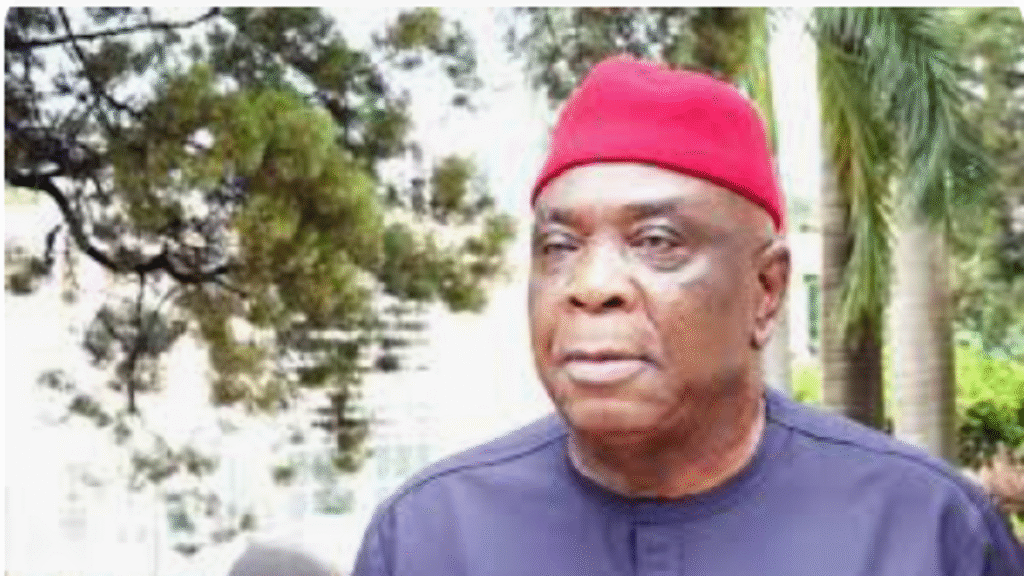
Dan Ulasi says former Labour Party candidate brings “tremendous support” and 40% vote share to any political party.
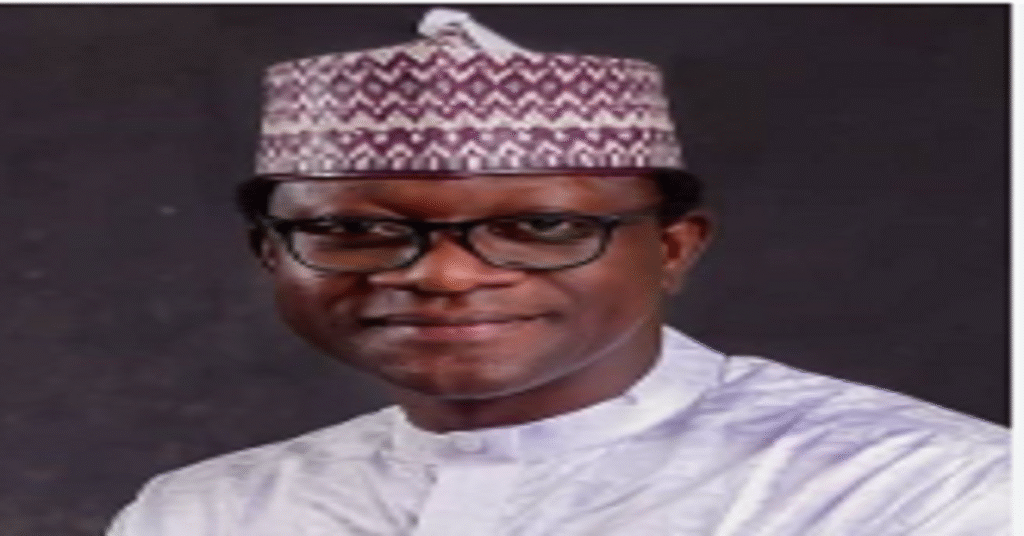
ABUJA, Nigeria – A Peoples Democratic Party chieftain has called for Peter Obi’s return to PDP ahead of the 2027 general election, though whether this actually translates to electoral success remains to be seen. Dan Ulasi told Arise Television that any party securing Obi’s support already commands 30-40% of the national vote, a bold claim that may reflect more hope than hard data.
What Obi Brings to the Table (Maybe)
During Friday’s television interview, Ulasi seemed genuinely enthusiastic about Obi’s continued political relevance, even as questions swirl around his 2027 platform. It’s worth noting that the PDP chieftain appears to view Obi’s credibility and nationwide appeal as something that could genuinely strengthen any party’s chances.
“I’ll be happy if he joins PDP because he will bring his credibility to bear on the party as we are reorganising,” Ulasi stated. “Any party that has him today will know they already have more than 30 to 40 per cent of the election because he has tremendous support across this country.”
But here’s where things get interesting, and a bit murky. Ulasi pointed out that Obi’s current party status remains unclear, which is putting it mildly. The man contested the 2023 presidential election under Labour Party, then showed up at the African Democratic Congress (ADC) launch. Party shopping, perhaps?
“To the best of my knowledge, Peter Obi has no platform. He ran last time with Labour Party, he has attended the launching of ADC. I don’t know what his platform will be,” Ulasi observed, and honestly, that uncertainty might be the most revealing part of this whole story.
The South-East Presidency Card
Ulasi didn’t stop at just wanting Obi back, he tied his Peter Obi PDP return pitch to the broader, somewhat contentious question of regional representation in Nigeria’s presidency. The party stalwart called for “micro-zoning” the 2027 presidential ticket specifically to the South-East region. His argument? It’s the only geopolitical zone that hasn’t produced a Nigerian president yet.
Related Posts:
“If there is honesty, they should micro-zone it to the South-East because virtually now we are the only zone, theoretically speaking, that has not had a presidency,” he explained.
Now, this zoning argument has been around for decades, and it tends to surface every election cycle. South-East leaders have consistently pushed for presidential representation, framing it as essential for national unity and fair power distribution. Whether that resonates with voters outside the region is another question entirely.
The PDP has already zoned its 2027 presidential ticket to the South, following Atiku Abubakar’s northern campaigns in 2019 and 2023. Still, competition between South-West, South-South, and South-East hopefuls could get messy during the primaries.
PDP’s Rebuilding Project
Beyond individual personalities, Ulasi revealed what sounds like genuine PDP restructuring efforts aimed at getting the party back on track for 2027. Recent national executive meetings have apparently seen better governor turnout, which Ulasi frames as renewed unity within party leadership.
“In the last national executive meeting we had, almost seven of our governors were there,” Ulasi said. “It was refreshing that everybody is now talking about how to reorganise the party and put it on a stronger footing for 2027 and other elections.”
These reorganization efforts come after what can only be described as the PDP’s disappointing 2023 showing. Internal conflicts and multiple court cases seriously hampered their campaign effectiveness. They finished second behind the All Progressives Congress, sure, but they lost serious ground to Obi’s Labour Party, especially among younger voters who seemed to have written off traditional parties entirely.
Obi’s Wild Political Ride
Peter Obi’s journey from PDP to Labour Party created one of the biggest political surprises of 2023. The former Anambra State governor served as PDP’s vice-presidential candidate in 2019, then defected in May 2022 after withdrawing from the party’s presidential primary.
His reasons for leaving? Concerns about the party’s direction and internal dynamics, diplomatic language for what was likely frustration with the same old politics. What followed was the “Obidient Movement” that managed to energize young Nigerians in ways that caught everyone off guard, particularly in urban areas and among diaspora communities.
Despite finishing third in the 2023 presidential election, Obi’s 6.1 million votes proved his appeal wasn’t just social media hype. His campaign genuinely disrupted the traditional two-party setup, forcing both APC and PDP to scramble for youth-focused messaging and policy platforms.
Political observers suggest Obi’s 2027 decision could be crucial for Nigeria’s electoral landscape, especially if he can maintain that youth support while getting access to serious party infrastructure. Though whether lightning strikes twice remains an open question.