
SAFA forfeits World Cup qualifier match against Lesotho, faces CHF 10,000 fine over Teboho Mokoena eligibility breach
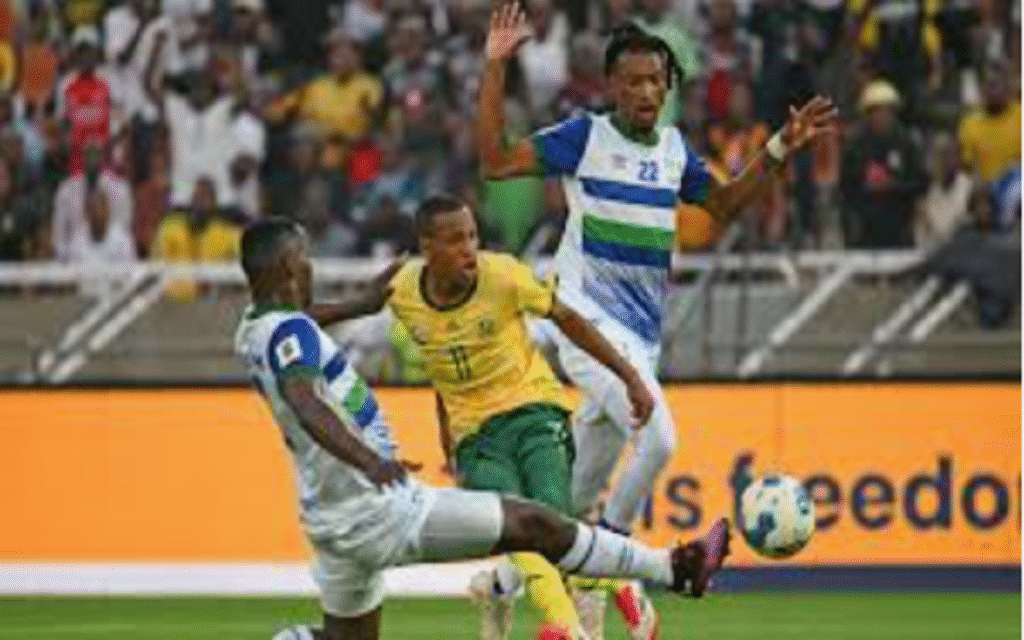
ZURICH, Switzerland – FIFA has sanctioned the South African Football Association for fielding ineligible player Teboho Mokoena in their World Cup 2026 qualifier against Lesotho on March 21, 2025.
FIFA Declares Match Forfeited After Eligibility Violation
Monday brought bad news for South African football. The FIFA Disciplinary Committee announced that Bafana Bafana must forfeit their World Cup qualifier against Lesotho with a 3-0 scoreline,a decision that likely stings more than any on-field defeat.
The trouble started when SAFA included midfielder Teboho Mokoena in their squad for what should have been a straightforward qualifying match. FIFA’s ruling cited violations of Article 19 of the FIFA Disciplinary Code and Article 14 of the World Cup regulations. These aren’t obscure technicalities, they’re the backbone of international football’s eligibility system.
Beyond the match forfeit, SAFA now faces a CHF 10,000 fine. Mokoena himself received an official warning. The financial penalty might seem modest by football’s inflated standards, but it’s FIFA’s way of saying they’re serious about these rules.
What Went Wrong with Mokoena’s Eligibility?
Here’s where things get murky. Teboho Mokoena has been a regular for both Mamelodi Sundowns and the national team, hardly a controversial selection on the surface. FIFA’s statement doesn’t spell out exactly what went wrong, though these cases usually involve paperwork nightmares: nationality documentation issues, previous caps for other countries, or simple administrative slip-ups.
Player eligibility has become a minefield in modern football. You need the right passport, meet residency requirements, prove ancestry, sometimes all three. One missing signature or expired document can derail months of planning. It’s the kind of bureaucratic trap that catches even experienced football associations off guard.
The timing couldn’t be worse for South Africa. With the 2026 World Cup expanding to 48 teams and offering more spots for African nations, this was supposed to be their best shot in years. Instead, they’re dealing with administrative headaches when they should be focusing on football.
Related Posts:
The Damage to South Africa’s World Cup Dreams
Losing three points to Lesotho on paper hurts more than it might sound. In African qualifying, margins are razor-thin. Teams fight tooth and nail for every point, knowing that goal difference or head-to-head records often determine who advances.
CAF’s qualifying format features nine groups, with winners getting automatic spots and runners-up entering playoffs. South Africa’s forfeit could easily be the difference between qualifying directly and facing a nerve-wracking playoff, or missing out entirely.
Bafana Bafana’s recent form hasn’t exactly inspired confidence either. They’ve been inconsistent in qualifying, struggling to build on their decent AFCON showing in 2024. This administrative mess just adds another layer of pressure to an already challenging campaign.
FIFA’s No-Nonsense Approach
FIFA doesn’t mess around with eligibility violations, and their track record proves it. They’ve handed out similar sanctions across all confederations—no favorites, no exceptions. “The rules are clear,” the Disciplinary Committee stated, and they seem to mean it.
That automatic 3-0 forfeit might seem harsh, but it’s designed to be. FIFA wants associations to think twice before taking risks with player documentation. The message is simple: get your paperwork right, or pay the price.
Some might argue this approach lacks nuance, that administrative errors shouldn’t carry the same weight as deliberate rule-breaking. But FIFA appears to believe that strict enforcement is the only way to maintain credibility across 211 member associations.
What Happens Next?
SAFA and Mokoena have ten days to request a detailed explanation from FIFA. If they do, the reasoning will appear on FIFA’s legal website, at least there’s transparency in the process.
They could also appeal to FIFA’s Appeal Committee, though history suggests this rarely works for eligibility cases. FIFA tends to stick to its guns on these decisions, and overturning them requires proving serious procedural errors or exceptional circumstances.
The appeal process takes weeks to resolve, during which the sanctions stay in place. That uncertainty might affect South Africa’s preparation for upcoming qualifiers, hardly ideal when every match now carries extra weight.
This case serves as a wake-up call for other African associations. With expanded World Cup opportunities on the table, getting caught out by eligibility technicalities would be particularly painful. Sometimes the biggest opponent isn’t on the pitch, it’s in the paperwork.
BBC