
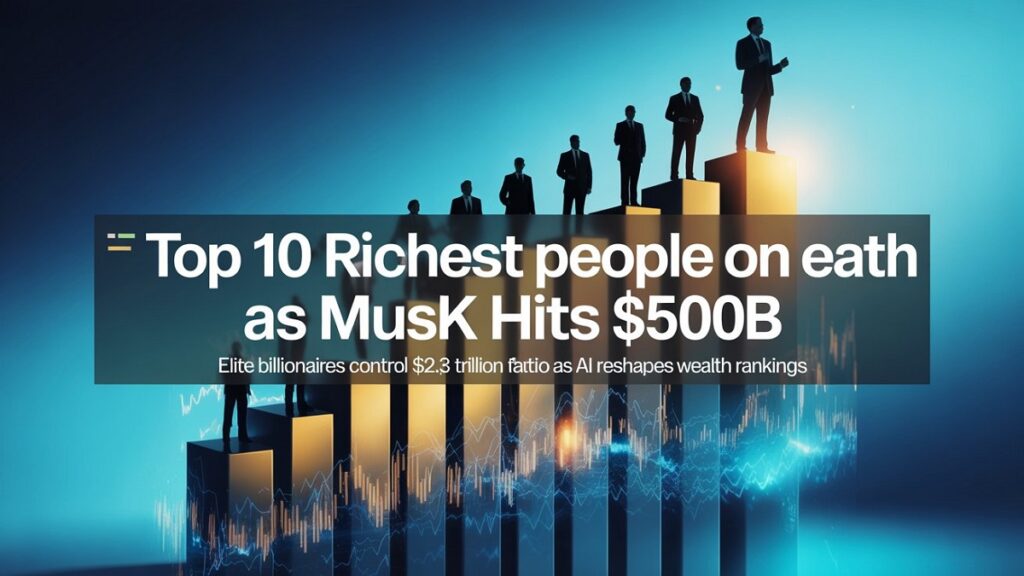
Elite billionaires now control $2.3 trillion as tech stocks surge and AI investments reshape global wealth rankings
NEW YORK, United States – The world’s 10 wealthiest individuals collectively control $2.3 trillion as of October 2025, with Tesla CEO Elon Musk becoming the first person to reach $500 billion in net worth amid surging tech stocks and AI-driven market enthusiasm.
Record Wealth Gains Driven by Tech and AI Boom
September 2025 was a windfall month for the world’s billionaires. The top 10 richest people added over $200 billion collectively to their fortunes, fueled mostly by soaring technology stocks and fresh investor confidence in artificial intelligence.
Elon Musk and Larry Ellison led the pack, while Nvidia’s Jensen Huang climbed the rankings as AI chip demand hit levels nobody predicted even a year ago. To put this in perspective, the wealth held by just these 10 individuals now exceeds the GDP of most countries, a staggering illustration of how tech growth concentrates personal fortunes.
Not everyone saw green, though. Jeff Bezos, Mark Zuckerberg, and Warren Buffett all ended the month with slightly lighter pockets as market conditions shifted across sectors.
1. Elon Musk: World’s First $500 Billion Fortune
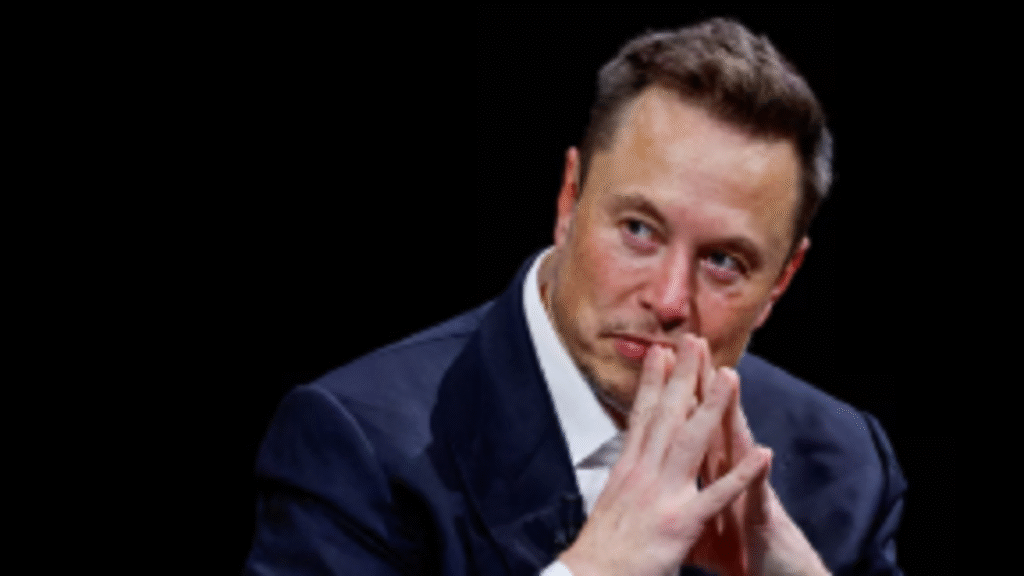
Elon Musk remains the world’s richest person with an unprecedented $500 billion net worth. He recently became the first individual to reach this historic milestone, boosted by Tesla shares that jumped 33 percent in September alone.
What drove the rally? Investor excitement around AI and robotics, plus Musk’s personal $1 billion stock purchase that seemed to signal his confidence in Tesla’s direction. The electric carmaker now carries a market valuation exceeding one trillion dollars, which anchors most of Musk’s wealth.
Musk first claimed the world’s richest title back in September 2021 and held it through most of 2022 before losing it that December. He took it back on June 8, 2023, kept the lead until January 31, 2024, then slipped to No. 2 again.
His return to the top in late May 2024 came after xAI secured $6 billion from private investors at a $24 billion valuation. By Musk’s own account, take that with whatever grain of salt you prefer, xAI is now worth $80 billion. That’s explosive growth in less than two years, if the numbers are accurate.
SpaceX also saw its valuation soar to $400 billion following a private tender offer in August 2025, up from $350 billion just eight months earlier. The aerospace company remains a critical piece of Musk’s diversified empire.
2. Larry Ellison: Oracle Cloud Boom Drives Fortune
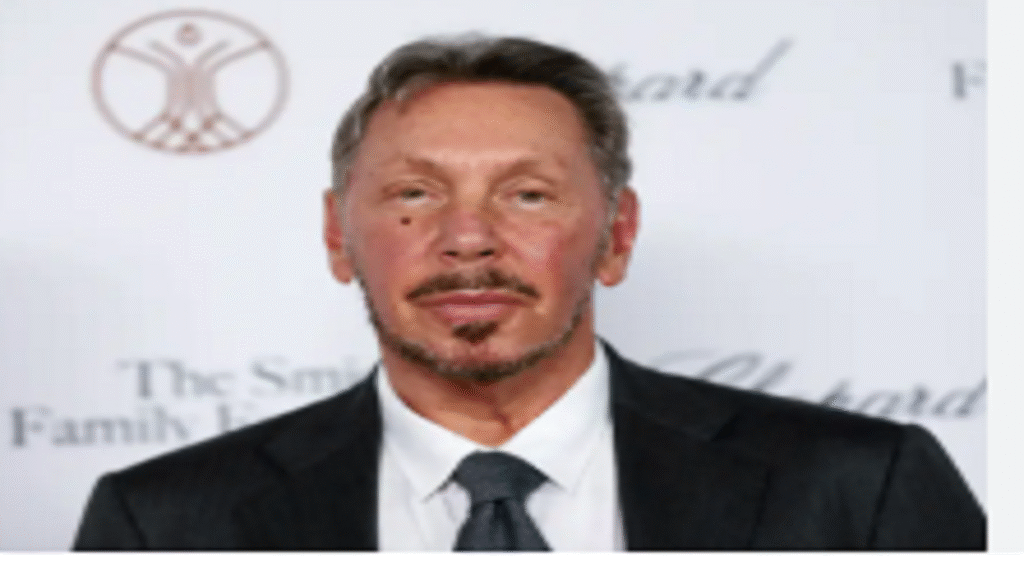
Larry Ellison, Oracle’s co-founder and executive chairman, holds second place with an estimated net worth around $350.7 billion as of October 1, 2025.
Oracle’s stock experienced a massive surge in September 2025, driven by the company’s projection of a 700 percent revenue increase from cloud infrastructure over the next four years. That’s an ambitious forecast, mostly tied to AI demand. The announcement triggered a 36 percent single-day jump on September 10, Oracle’s biggest gain on record.
Ellison’s wealth comes largely from his roughly 41 percent stake in Oracle. But he’s also been involved in the $500 billion Stargate Project, a collaboration aimed at building AI infrastructure and data centers across the U.S.
On the side, Ellison has made some notable real estate moves, including buying 98 percent of the Hawaiian island of Lānaʻi back in 2012. It’s the kind of purchase that shows how different life looks when you’re worth hundreds of billions.
3. Mark Zuckerberg: Meta’s AI Transformation
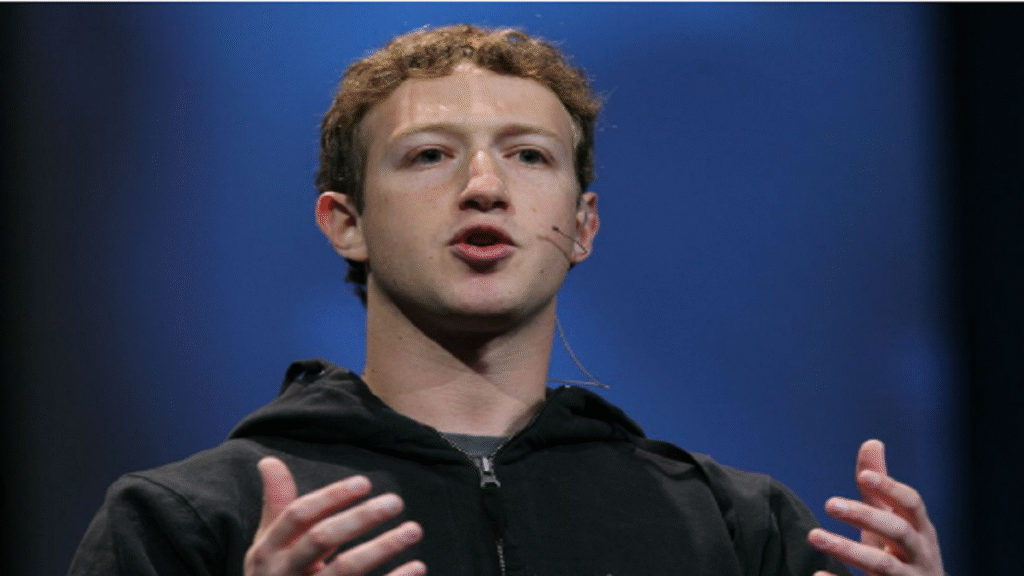
Mark Zuckerberg, Meta’s cofounder and CEO, comes in third with a net worth around $254.7 billion as of October 2, 2025.
His fortune stems primarily from his stake in Meta, the parent company of Facebook, Instagram, and WhatsApp. Despite the bumpy metaverse pivot that many observers questioned, Meta’s advertising revenue has held steady, keeping Zuckerberg’s wealth intact.
Lately, Zuckerberg’s focus appears to be on Meta Superintelligence Labs (MSL), a division working on artificial superintelligence. Meta is pouring money into AI infrastructure, including two massive data center superclusters named Prometheus (launching 2026) and Hyperion.
He’s recruited serious AI talent too, including Shengjia Zhao, co-creator of ChatGPT and GPT-4, as MSL’s chief scientist. Whether this pivot pays off remains to be seen, but it’s clear Zuckerberg is betting big on AI as Meta’s next chapter.
4. Jeff Bezos: Amazon Founder and Space Pioneer
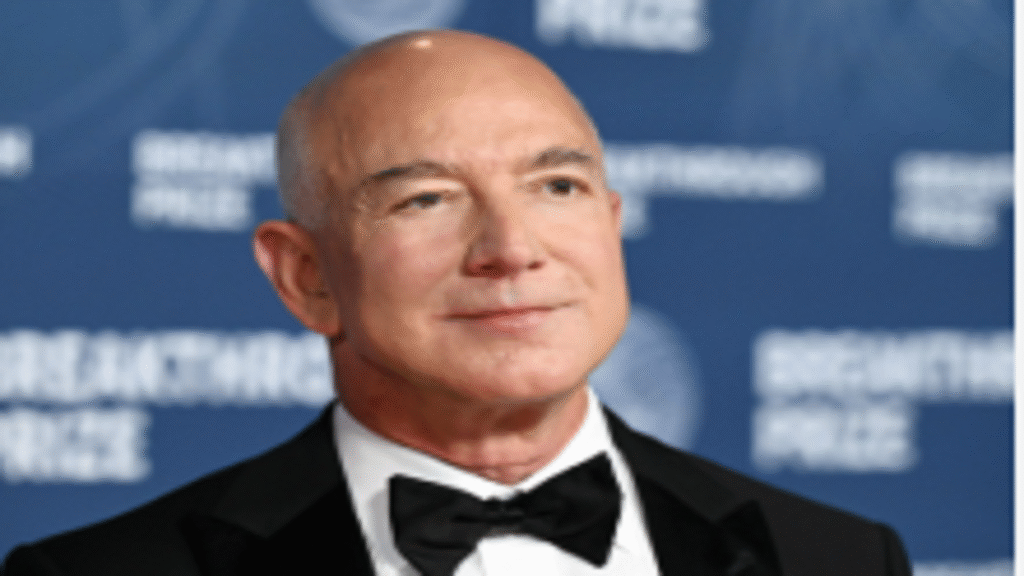
Jeff Bezos sits at $232.5 billion, still one of the world’s richest. He founded Amazon in 1994, ran it as CEO until 2021, and now serves as executive chairman while also funding Blue Origin, his private aerospace company.
Blue Origin made headlines in 2025 when it sent an all-female crew on a suborbital flight, pop star Katy Perry, CBS Mornings co-host Gayle King, and Bezos’ wife Lauren Sanchez were aboard. It was good PR, if nothing else.
Bezos held the world’s richest title from 2018 to 2021 before dropping to No. 2 in 2022, then settling at No. 3 from 2023 through 2025. He owns about 8 percent of Amazon today, having sold and donated billions over the years.
Through Bezos Expeditions, he continues backing companies like Airbnb and Workday. His investment strategy has branched well beyond tech into real estate, media, and aerospace.
5. Larry Page: Google Cofounder Benefits from Legal Win
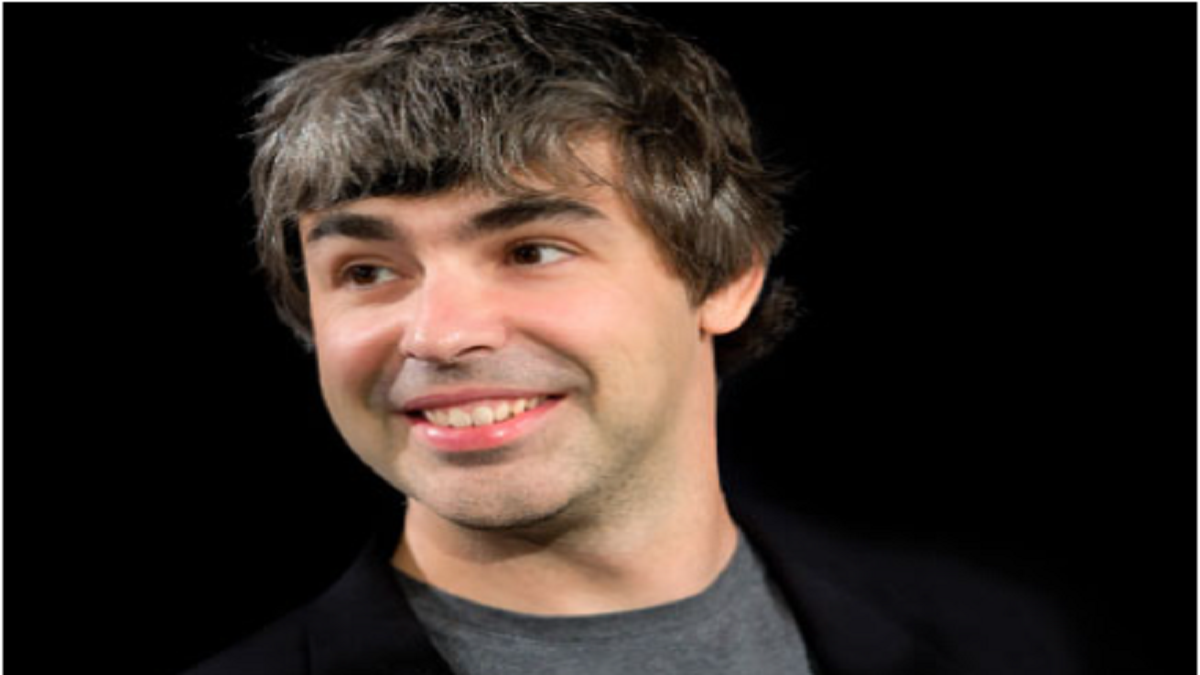
Larry Page, Google’s cofounder, currently sits at $202.2 billion. He and Sergey Brin started Google in 1998 while they were Stanford PhD students. Page served as CEO from 1998 to 2001, then again from 2011 to 2015.
These days, he’s a board member of Alphabet and remains a controlling shareholder, though he’s stepped back from day-to-day operations.
Page’s wealth got a boost after a federal judge ruled in September 2025 that Google doesn’t have to sell its Chrome browser, a decision that came after the Department of Justice pushed for the sale in 2024 to curb Google’s market dominance. Alphabet’s stock surged 14 percent in a month following the ruling.
Outside of Google, Page has put money into some pretty futuristic stuff, including asteroid mining through Planetary Resources (which blockchain firm ConsenSys acquired in 2018). His investment choices reflect a clear interest in transformative, if speculative, technologies.
6. Sergey Brin: Google Cofounder Returns to AI Work
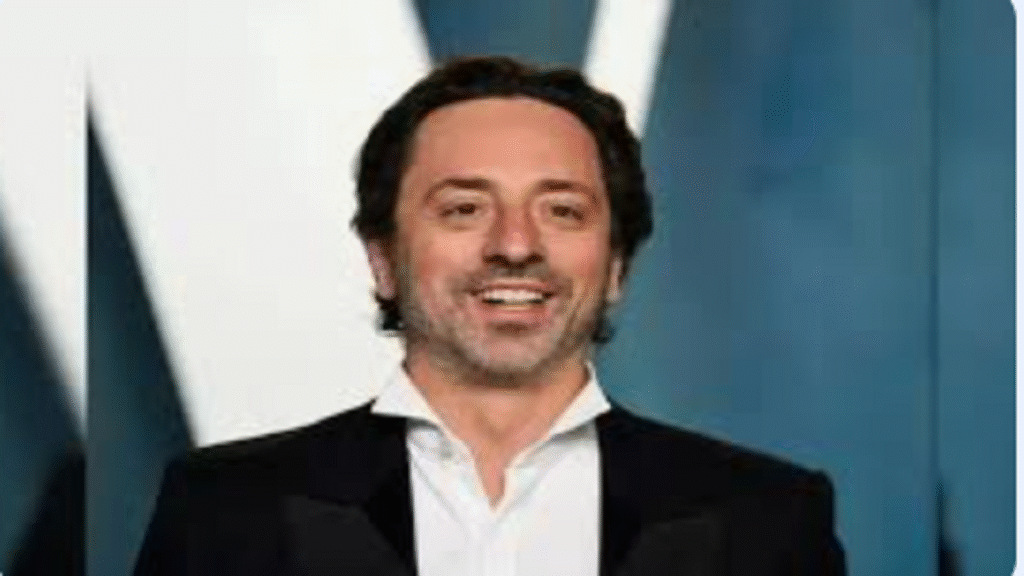
Sergey Brin, Google’s other cofounder, has a net worth of $187.6 billion, making him the sixth richest person on earth. After stepping back in 2019, Brin has actually returned to active work at Alphabet, focusing heavily on AI projects.
He’s been described as a “core contributor” to Google’s Gemini AI chatbot, a multimodal system designed to compete with OpenAI’s ChatGPT. Brin is also reportedly using AI to improve team management within the Gemini project, assigning tasks and identifying high performers.
He’s talked publicly about artificial general intelligence (AGI) potentially arriving around 2030, stressing the need to scale current models and develop new techniques. His renewed involvement suggests AI development may be critical to whether Google stays competitive in the years ahead.
7. Jensen Huang: Nvidia’s AI Chip Dominance
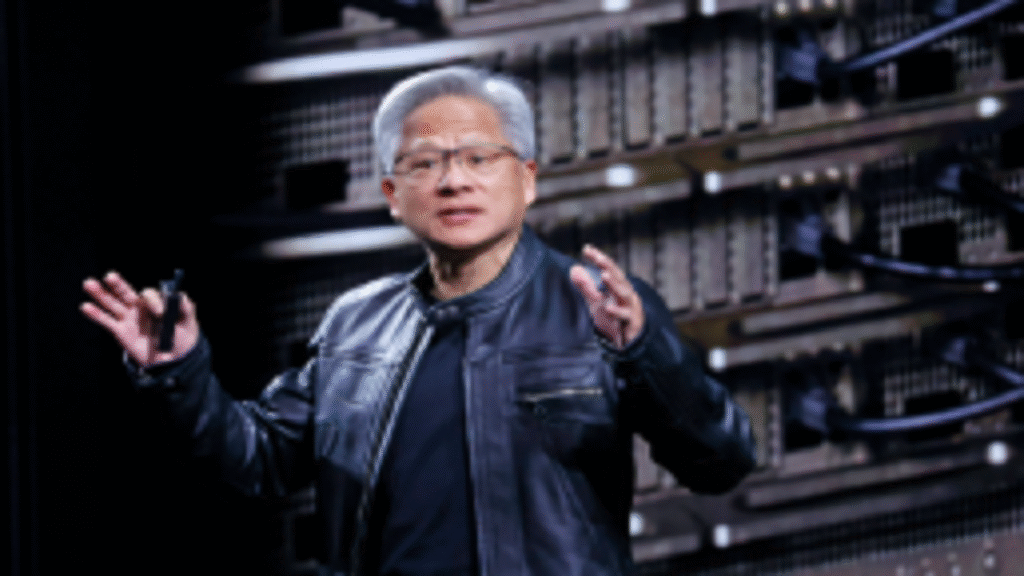
Jensen Huang, Nvidia’s co-founder, CEO, and president, has a net worth of $162 billion. He started the company back in 1993, took it public in 1999, and still owns about 3 percent.
Under Huang’s leadership, Nvidia’s GPUs became the industry standard for gaming, then pivoted to dominate AI data centers. That shift has driven the company to a $4.5 trillion market cap as of September 30, 2025.
Born in Taiwan and raised partly in Thailand, Huang came to the U.S. as a child during political unrest. His approach to AI and computing has put Nvidia at the center of the current AI boom.
Despite owning just 3 percent, Huang’s influence is enormous. His leadership has launched him up the billionaire rankings and made him one of tech’s most important figures today.
8. Bernard Arnault: Luxury Goods Empire Leader
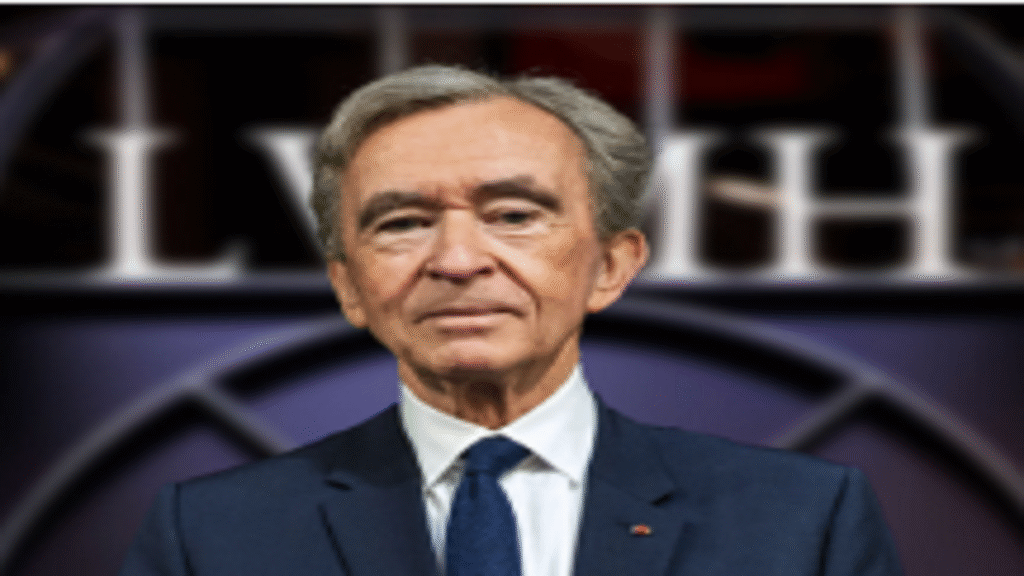
Bernard Arnault, LVMH’s CEO and chairman, is the eighth richest person at $159.4 billion. He used $15 million from his father’s construction business to acquire Christian Dior, then built LVMH into the world’s largest luxury goods company.
LVMH controls around 70 brands, Louis Vuitton, Christian Dior, Moët & Chandon, Sephora, Tiffany & Co., and more. The portfolio spans fashion, cosmetics, wines, spirits, and jewelry.
All five of Arnault’s children hold leadership roles. In 2024, sons Alexandre and Frédéric joined the company board alongside sister Delphine (who runs Dior) and brother Antoine. Alexandre became deputy CEO of the wine and spirits division, while youngest brother Jean oversees watches at Louis Vuitton.
Arnault held the world’s richest title for most of early 2023 and again from February through late May 2024, showing his lasting influence in global luxury markets.
9. Steve Ballmer: Microsoft Fortune and Clippers Owner
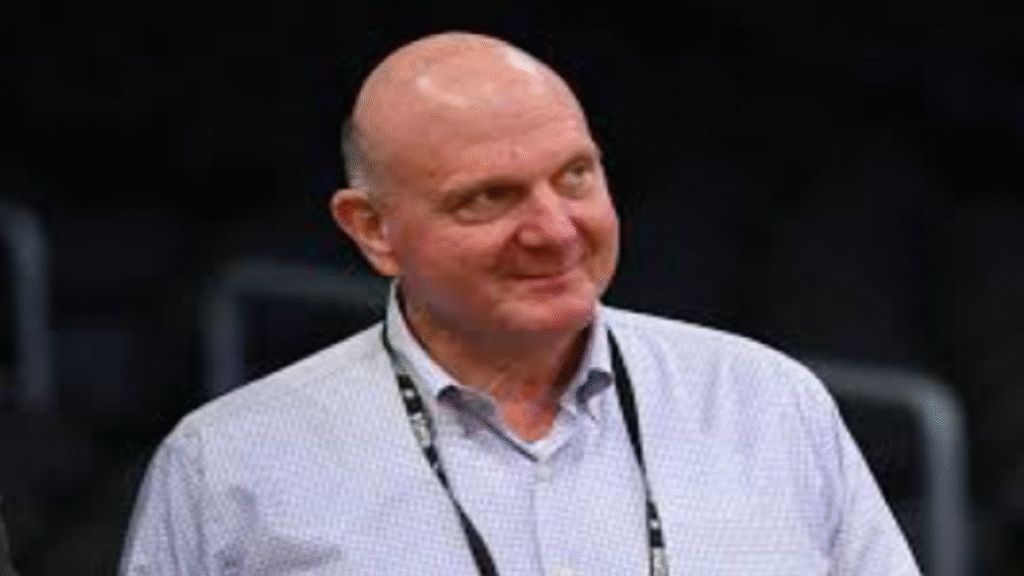
Steve Ballmer, Microsoft’s former CEO, has a net worth of $156 billion. A Harvard classmate of Bill Gates, he joined Microsoft in 1980 as employee number 30 and ran the company from 2000 to 2014.
Since stepping down, Ballmer has held onto most of his Microsoft shares, riding the company’s continued growth under Satya Nadella. That decision not to diversify has been hugely profitable.
He also bought the Los Angeles Clippers for $2 billion when he retired, a record NBA price at the time. Forbes now values the team at $5.5 billion, which works out to a 175 percent return.
The Clippers’ new arena, the Intuit Dome in Inglewood, opened in August 2024. There’s currently an investigation into a reported no-show marketing deal involving Kawhi Leonard and a Ballmer-backed company, though Ballmer’s team has declined to comment.
10. Warren Buffett: Oracle of Omaha Plans Retirement
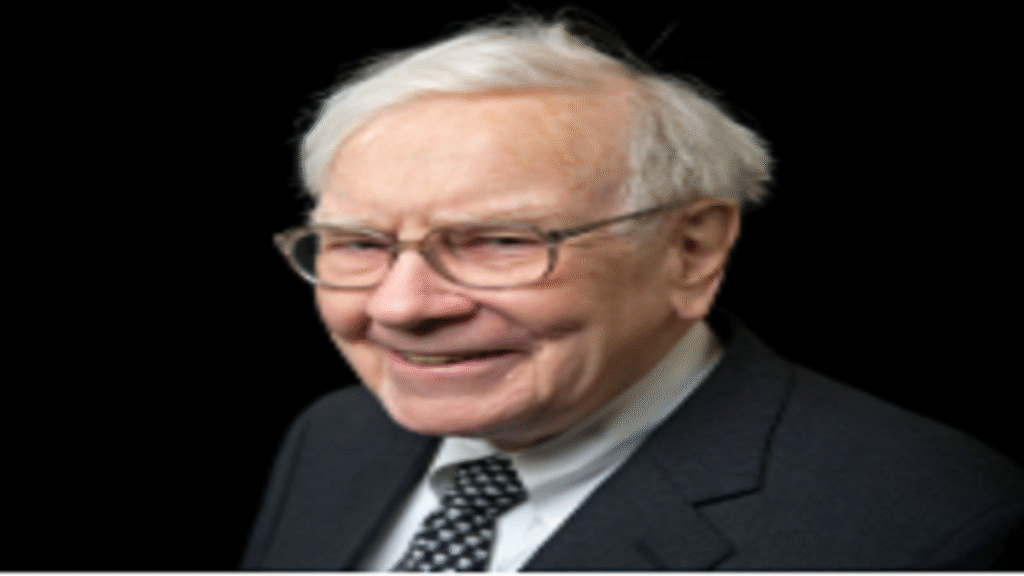
Warren Buffett, the 95-year-old “Oracle of Omaha,” has a net worth of $150.2 billion and rounds out the top 10. He still leads Berkshire Hathaway, which owns Geico, Duracell, Dairy Queen, and more, but plans to retire as CEO at the end of 2025.
Buffett is equally well-known for his philanthropy. He pledged to give away nearly all his fortune through the Giving Pledge, which he launched with Bill and Melinda Gates in 2010.
So far, he’s donated around $65 billion, mostly through the Gates Foundation and family-run foundations. It’s one of the largest philanthropic commitments in history, yet he’s still among the world’s wealthiest.
Buffett’s value-investing philosophy and long-term thinking have made him one of history’s most successful investors. His upcoming retirement will close a chapter for Berkshire Hathaway that’s lasted over six decades.
Forbes