
Activist’s lawyers call security agency’s request to X “unlawful and unconstitutional.”
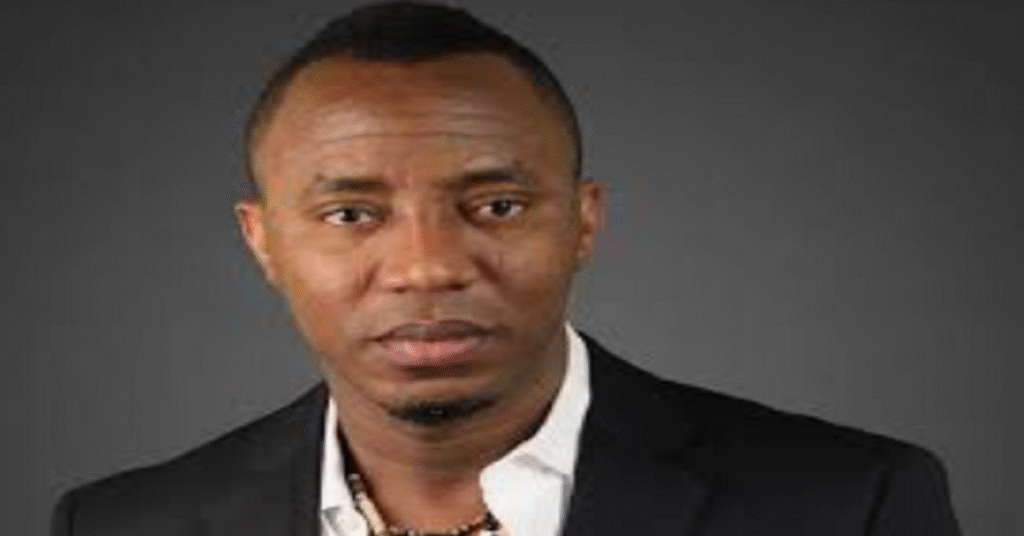
Abuja, Nigeria – Human rights activist Omoyele Sowore is pushing back against the State Security Services (SSS) after they demanded X delete his post about President Tinubu. Sowore’s legal team called Sunday’s request unconstitutional, though whether X will actually listen to either side remains to be seen.
Sowore’s Legal Pushback
Sowore’s lawyers, led by human rights attorney Tope Temokun, fired off their own letter to X’s legal team on Sunday. It was basically a polite but firm “absolutely not” to the security agency’s demands from earlier that morning.
“We write to formally state that such a request is unlawful, unconstitutional, and without legal foundation,” Temokun wrote in the letter that Premium Times got hold of.
The whole thing started when the SaharaReporters publisher discovered the SSS had gone directly to X, asking them to not only remove his post about President Bola Tinubu but also deactivate his entire account. Bold move, considering the post apparently just called Tinubu a “criminal” – hardly unusual language in Nigerian political discourse.
The Constitutional Defense
Temokun pulled out what appears to be the standard playbook for these cases. Freedom of expression under Section 39(1) of Nigeria’s constitution, plus Article 9 of the African Charter on Human and Peoples’ Rights.
The lawyers made a point that might actually stick: no administrative agency, not even the SSS, can just tell private companies to censor people. “Only a valid court order can justify any restriction,” they noted, citing some heavyweight precedents.
Related Posts:
Those cases, Director, SSS v. Agbakoba and Arthur Nwankwo v. The State, both said fundamental rights can’t be trampled on by executive agencies acting on their own. Which suggests someone at the SSS either didn’t do their homework or simply doesn’t care about legal precedent.
A Familiar Pattern?
This latest move fits what looks like a six-year pattern of harassment against Sowore. Since 2019, he’s been arrested, detained, had his passport seized, and faced what he calls “trumped-up charges” including terrorism financing.
The #EndBadGovernance protests seem to have particularly annoyed authorities. They put him on a no-entry list at international airports, a move that probably says more about government paranoia than actual security concerns.
Temokun pointed to this history, though whether it helps or hurts Sowore’s case might depend on how you view persistent government critics. Are they brave truth-tellers or persistent troublemakers? The answer probably depends on your political leanings.
[Related Story: #EndBadGovernance Protests Lead to Increased Government Crackdown]
What the SSS Claims
The SSS letter to X Corp, signed by B. Bamigboye, accused Sowore of publishing “misleading information, hate speech and content capable of inciting violence” through his @YeleSowore handle.
They specifically pointed to his August 25 post calling President Tinubu a “criminal” and making corruption allegations. The SSS claimed this threatened national security and could provoke unrest among the president’s supporters.
The agency threw around some serious legal references, the Criminal Code Act, Cybercrimes Act 2025, and Terrorism Prevention Act 2022. They threatened “far-reaching, sweeping and across-the-board measures” if X didn’t comply within 24 hours. Quite the escalation for a single social media post.
X Stays Neutral (For Now)
X notified Sowore about the SSS request but hasn’t acted on it yet. The platform’s response was pretty standard corporate-speak: they inform users when governments ask them to remove content, then point people toward legal resources.
Sowore wasn’t having any of it. He called the SSS action “despicable” and “lawless,” describing their letter as “ridiculously crafted.” His refusal to delete the post sets up an interesting standoff.
What happens next may depend on how much pressure the Nigerian government can actually put on X. Unlike local platforms, international social media companies have more room to push back, though they also have business interests to consider.
The Bigger Picture
This whole mess reflects what seems to be growing tension between Nigerian authorities and social media platforms. The Sowore case becomes a test of whether international companies will bow to government pressure or stick to their stated principles about free expression.
Temokun warned that complying with the SSS request would make X complicit in violating human rights standards. “Our client reserves the right to seek redress before competent national and international fora should any action be taken that violates his rights,” he noted, lawyer-speak for “we’ll take this global if needed.”
The case also highlights ongoing challenges for journalists and activists in Nigeria. Criticizing the government has always carried risks here, but the digital age appears to have given authorities new tools for harassment.
What This Might Mean
Sowore characterised the SSS demand as “a desecration of national dignity” and part of broader efforts to silence criticism beyond Nigeria’s borders. That might be overstating things, but it does raise questions about how far the government will go to control discourse.
His six-year battle with authorities, including treasonable felony charges under Buhari for the #RevolutionNow protest, suggests this won’t be resolved quietly. Whether X caves to pressure or holds firm could set important precedents for future cases.
Culled Premium Times